Triple Whale Alternatives for DTC Brands: A 2026 Comparison Guide
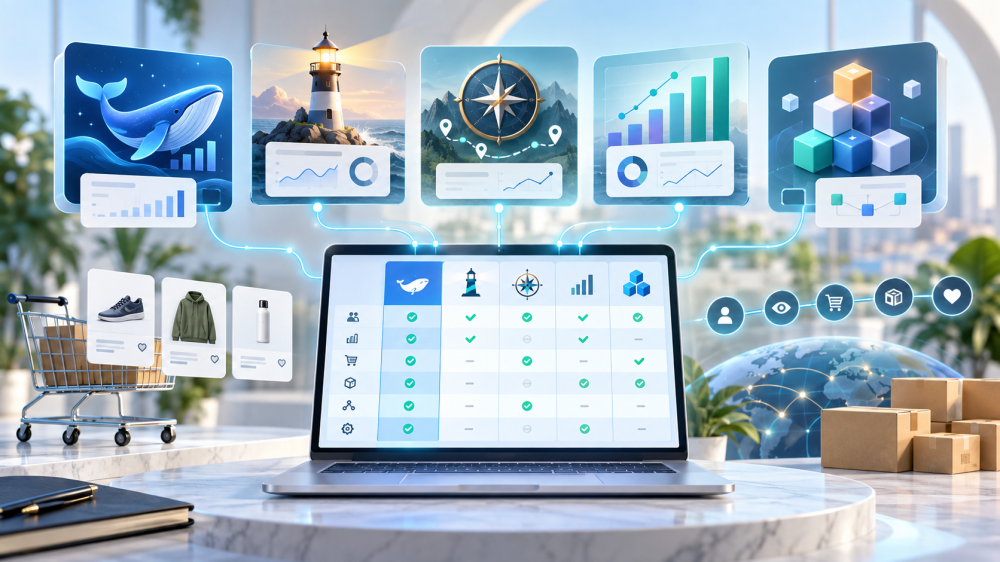
Triple Whale alternatives get searched for a specific reason, not because Triple Whale is a bad product, but because it bundles several different jobs into one dashboard: attribution, profit reporting, creative analytics, and increasingly AI-driven automation. Most brands evaluating alternatives are actually only unhappy with one of those jobs. Knowing which one makes the rest of this comparison a lot more useful.
Why Brands Look for a Triple Whale Alternative
The complaint that comes up most consistently is pricing. Triple Whale prices on a combination of annual GMV and plan tier, which means the bill climbs as the business grows, on the same plan, with the same feature set. Reported mid-contract price increases in the 30 to 50 percent range have pushed a meaningful number of brands to revisit the decision entirely, sometimes mid-contract.
The second, subtler issue is that Triple Whale genuinely does several distinct jobs at once, cross-channel attribution, profit and LTV analytics, and a unified dashboard, and most brands don’t actually need all three from the same vendor. A brand whose real gap is tracking accuracy doesn’t necessarily need a full attribution suite. A brand that needs deep profit and cohort analysis doesn’t necessarily need creative-level attribution modeling. Buying one platform to do all three jobs means paying for capability you may only use a third of.
What to Evaluate Before Switching
A few questions narrow the field fast.
What job are you actually replacing?
Attribution (which channel drove the sale), tracking infrastructure (is the data even reaching your ad platforms accurately), or business intelligence (unifying store, ad, and email data into one reporting layer) are three different problems, and the best tool for each is often a different tool.
How does pricing scale?
GMV-based and spend-based pricing models mean your cost climbs as the business grows, sometimes steeply between tiers. Flat-rate and order-volume-based models are more predictable but come with their own tradeoffs.
Does it support your actual platform mix?
Several Triple Whale alternatives are built Shopify-first, with BigCommerce or WooCommerce support added later and less mature. If you’re not on Shopify exclusively, confirm platform depth before committing.
Is the methodology something you can inspect, or something you have to trust?
Some tools use machine-learning models that blend pixel, platform, and modeled data into one number without fully explaining the weighting. Others use verifiable methods, like click-based attribution, that you can check yourself.

4 Real Alternatives to Consider
Northbeam…
is often described as the closest alternative in raw attribution depth, using machine-learning multi-touch attribution and incrementality testing across a wide channel mix.
- It’s built for brands with meaningful paid media budgets, generally best suited to teams spending $50,000 or more a month on ads who want a sophisticated model doing the interpretive work.
Polar Analytics…
solves a different problem: unifying data rather than modeling attribution from scratch. It’s a Shopify-native BI layer with a dedicated data warehouse, pulling Shopify, ad platforms, and email into consistent, queryable metrics.
- It includes multi-touch attribution, but its core strength is reporting and profit analysis at scale, not attribution methodology as the primary product.
Elevar…
solves a narrower, more foundational problem: making sure accurate conversion data reaches your ad platforms at all. It’s a server-side tracking specialist for Shopify, priced by monthly order volume, and every paid tier includes the full feature set, no feature gating between its cheapest and most expensive plans.
- It doesn’t do multi-touch attribution modeling itself; it makes sure the data other tools depend on is actually complete.
AdBeacon…
solves the attribution question specifically, using first-party, click-only measurement rather than a broader identity-graph or ML-weighted model. It supports Shopify, BigCommerce, and WooCommerce natively, prices flat as a percentage of revenue rather than scaling with GMV, and doesn’t gate features like multi-touch attribution, MMM, advanced AI agents or AI chat capabilities behind a higher tier.
- It fits brands whose primary gap is trusting the attribution number itself, not reporting or tracking infrastructure.
Migration Considerations
Switching attribution or analytics tools is rarely instant, and rushing it creates its own measurement gap.
- Start by exporting or preserving historical data from your current tool where possible, since a clean year-over-year comparison depends on having a baseline to compare against.
- Reinstall or reconfigure pixel and server-side tracking (CAPI, Enhanced Conversions, and similar) as part of the switch rather than assuming old tracking transfers over cleanly.
- Run the new tool in parallel with the old one for two to four weeks before fully cutting over, so you can reconcile the two and understand why numbers differ before you’re making budget decisions on the new one alone.
- And confirm what happens to any automations or platform-side optimization rules tied to the outgoing tool’s data before you turn it off.
If you’re evaluating whether AdBeacon’s specific approach, click-only, first-party, flat-rate, fits what you’re trying to replace, book a live AdBeacon demo and see it running against your own numbers before deciding.
—-
FAQ
Why do brands switch away from Triple Whale?
The most common reasons are GMV-based pricing that climbs as revenue grows, sometimes with reported mid-contract increases in the 30 to 50 percent range, and the fact that Triple Whale bundles attribution, profit reporting, and dashboarding together when a brand may only need one of those three jobs solved.
What’s the best Triple Whale alternative for attribution depth?
Northbeam is generally considered the closest alternative in attribution sophistication, using machine-learning multi-touch attribution and incrementality testing, though it’s priced and built for enterprise brands with very high paid media budgets rather than SMBs or growth mode operations.
What’s the best Triple Whale alternative for BigCommerce or WooCommerce brands?
This is where most Triple Whale alternatives fall short, many are Shopify-first with newer, less mature support elsewhere. AdBeacon was built to support Shopify, BigCommerce, and WooCommerce natively from the start, which is a meaningful difference if you’re not running Shopify exclusively.
Do I need a full attribution platform, or just better tracking?
It depends on what’s actually broken. If your data isn’t reaching ad platforms accurately in the first place, a server-side tracking specialist like Elevar may solve the real problem more directly than a full attribution suite. If the issue is trusting which channel gets credit for a sale, that’s an attribution-methodology question instead.
How long does it take to switch from Triple Whale to another platform?
Plan for a transition period, not an instant swap. Most brands run their new tool in parallel with Triple Whale for two to four weeks to reconcile numbers and confirm tracking is set up correctly before fully cutting over and making budget decisions on the new platform alone.